Climate Change in the Flathead Watershed
Climate Change is Here
Climate Change - Changes in average weather conditions that persist over multiple decades or longer. Climate change encompasses both increases and decreases in temperature, as well as shifts in precipitation, changing risk of certain types of severe weather events, and changes to other features of the climate system.
The Montana Institute on Ecosystems, a statewide center based at both Montana State University and University of Montana, produced a comprehensive assessment of climate change in Montana. The 2017 Montana Climate Assessment focuses on water, agriculture, and forestry. Information is presented in an approachable way.
-

Climate Change in Montana
Learn More >
-

Climate Change in the Flathead Watershed
Learn More >
-

Climate Change & Human Health
Learn More >
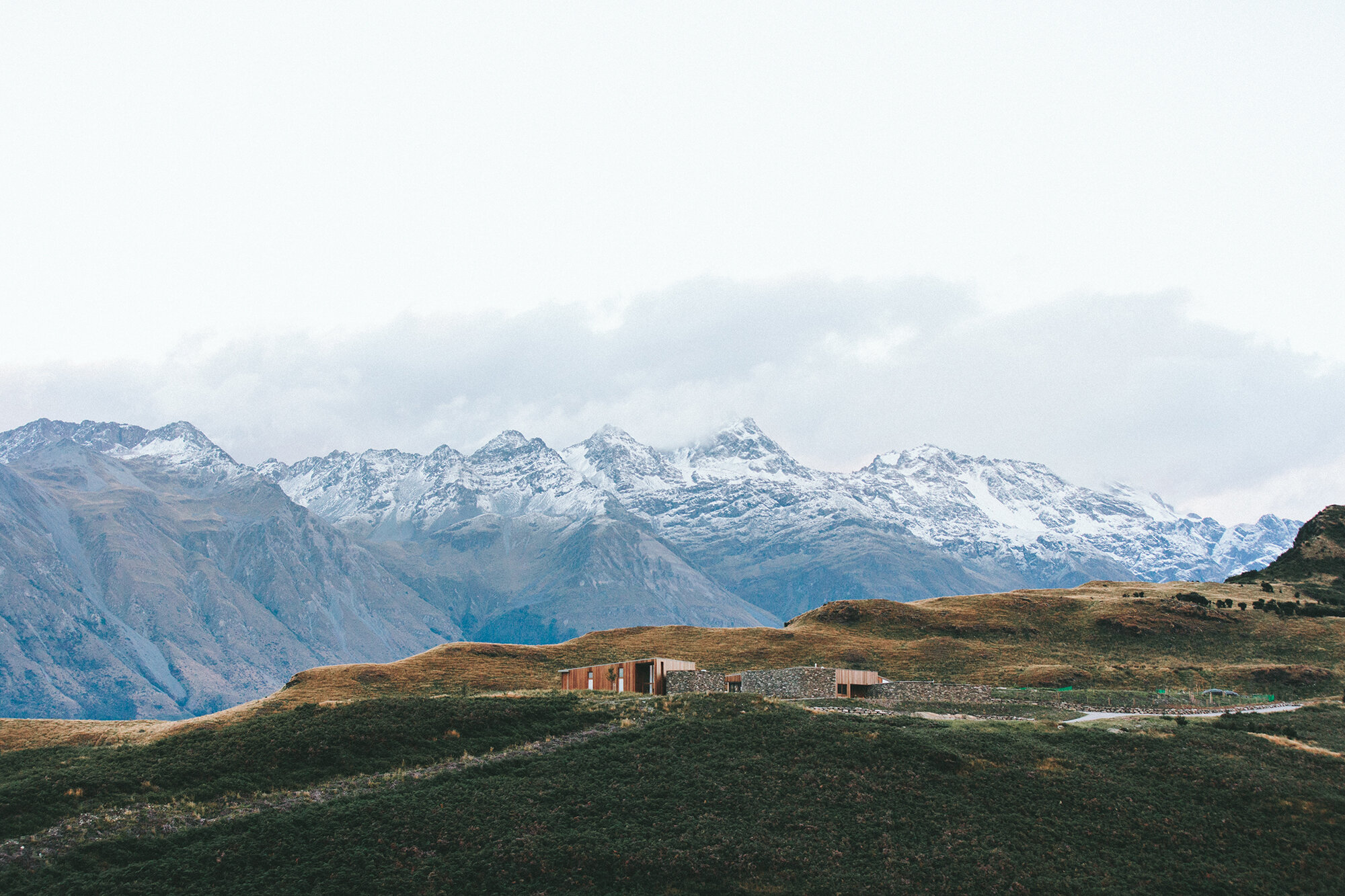
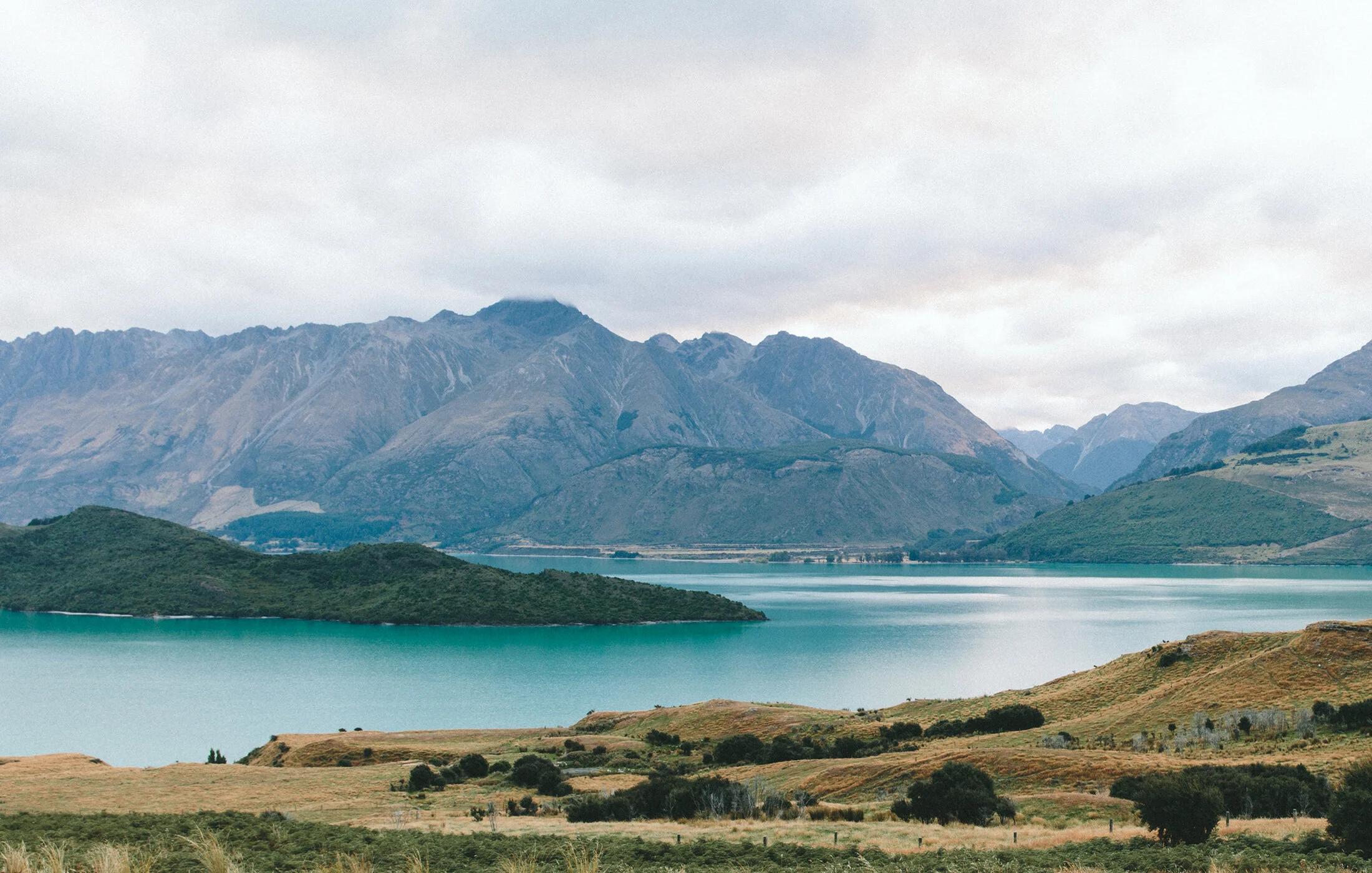
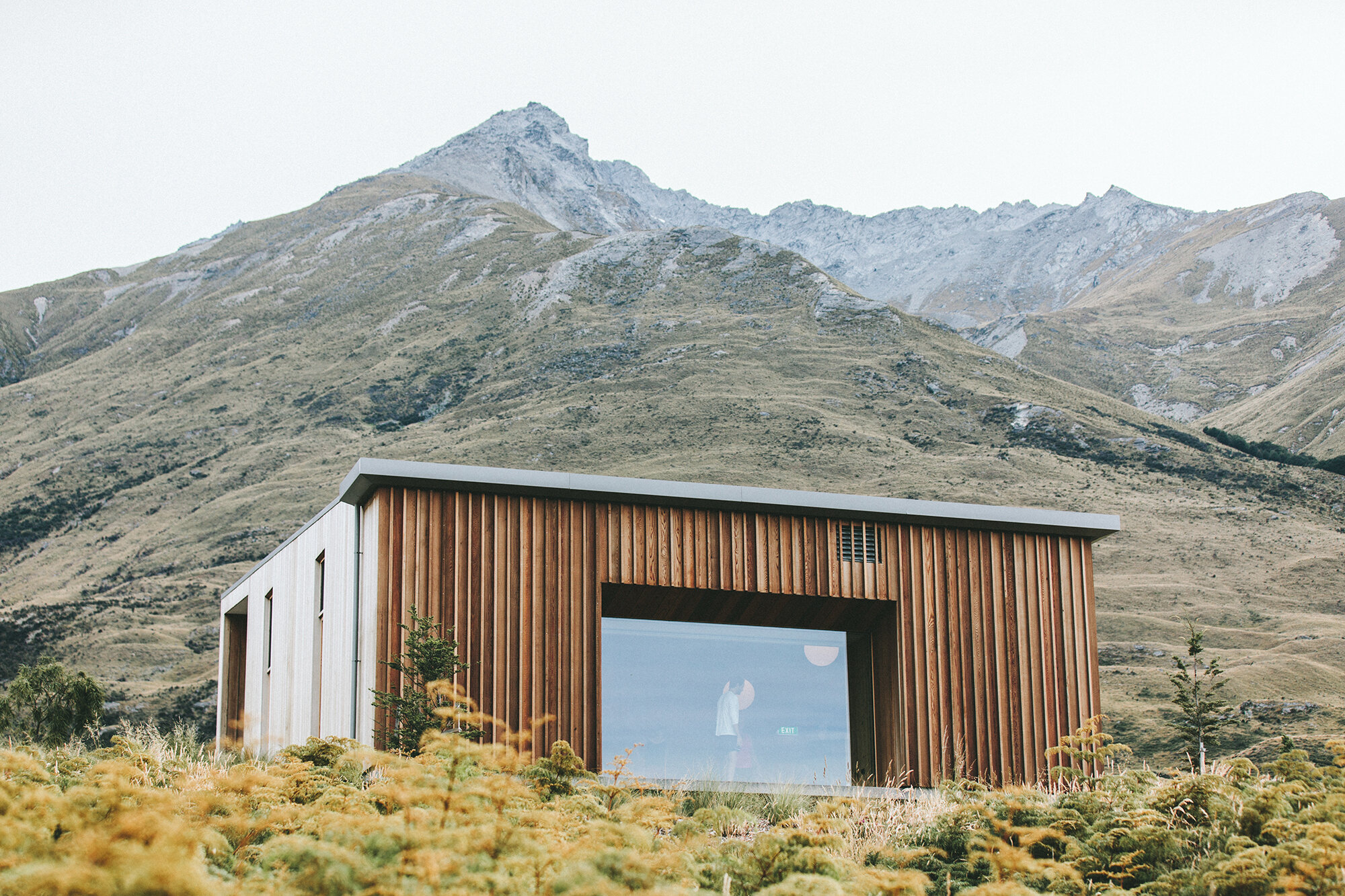
Climate Resilient Development means reducing exposure and vulnerability to climate hazards, cutting back greenhouse gas emissions and conserving biodiversity are given the highest priorities in everyday decision-making and policies on all aspects of society including energy, industry, health, water, food, urban development, housing and transport. It is about successfully navigating the complex interactions between these different systems so that action in one area does not have adverse effects elsewhere and opportunities are harnessed to accelerate progress towards a safer, fairer world.
Climate Resilience
-
Adapting to life in a changing climate – involves adjusting to actual or expected future climate. The goal is to reduce our risks from the harmful effects of climate change (like sea-level rise, more intense extreme weather events, or food insecurity). It also includes making the most of any potential beneficial opportunities associated with climate change (for example, longer growing seasons or increased yields in some regions).
-
Reducing climate change – involves reducing the flow of heat-trapping greenhouse gases into the atmosphere, either by reducing sources of these gases (for example, the burning of fossil fuels for electricity, heat, or transport) or enhancing the “sinks” that accumulate and store these gases (such as the oceans, forests, and soil). The goal of mitigation is to avoid significant human interference with Earth's climate, “stabilize greenhouse gas levels in a timeframe sufficient to allow ecosystems to adapt naturally to climate change, ensure that food production is not threatened, and to enable economic development to proceed in a sustainable manner” (from the 2014 report on Mitigation of Climate Change from the United Nations Intergovernmental Panel on Climate Change, page 4).
-
Review of Montana’s health profile reveals that our state’s rural nature—including limited access to healthcare facilities—has a wide-reaching impact on our citizens’ well-being. Montanans suffer from chronic disease, inadequate maternal and childhood healthcare, a high rate of vehicular deaths, and mental illness, suicide, alcoholism, and substance use disorders. We next consider what concerns result when climate-related impacts are added to these existing health conditions. The remainder of this section describes ten groups in Montana having particular health vulnerabilities to climate change.
-
Item description
Climate Change and Human Health in Montana

Three aspects of projected climate change are of greatest concern for human health in Montana:
Increased summer temperatures and periods of extreme heat, with many days over 90oF (32oC);
Reduced air quality from smoke, as wildfires will increase in size and frequency in the coming decades; and
More unexpected climate-related weather events (i.e., climate surprises), including rapid spring snowmelt and flooding, severe summer drought, and more extreme storms. [high agreement, robust evidence]